
Texture tells: plastic surfaces, missing grain and painterly detail
Real cameras add noise and imperfections. Generated images are often too clean.
Every real sensor adds noise, especially in dim light. A night scene with no grain at all is suspicious. Generated images often have an even, polished surface where every material, from wood to skin to fabric, has the same smooth finish.
Zoom in and the illusion can break. Fine detail like hair, grass and fabric weave may turn into brush-stroke patterns or swirls that no lens produces.
Real photos also show compression artefacts, chromatic aberration at high-contrast edges, and lens vignetting. These are flaws, but they are honest ones.
Checklist
- Look at dark areas for grain. Is there any?
- Zoom into hair, grass and fabric for swirls or painterly strokes.
- Check whether different materials have different textures.
False alarms
Phones apply heavy noise reduction and sharpening, which can make real photos look painted.
Examples from past puzzles
These photos ran in earlier puzzles. In each one, this tell decided the answer or confirmed it. For real photos it is the detail that shows a camera was there.
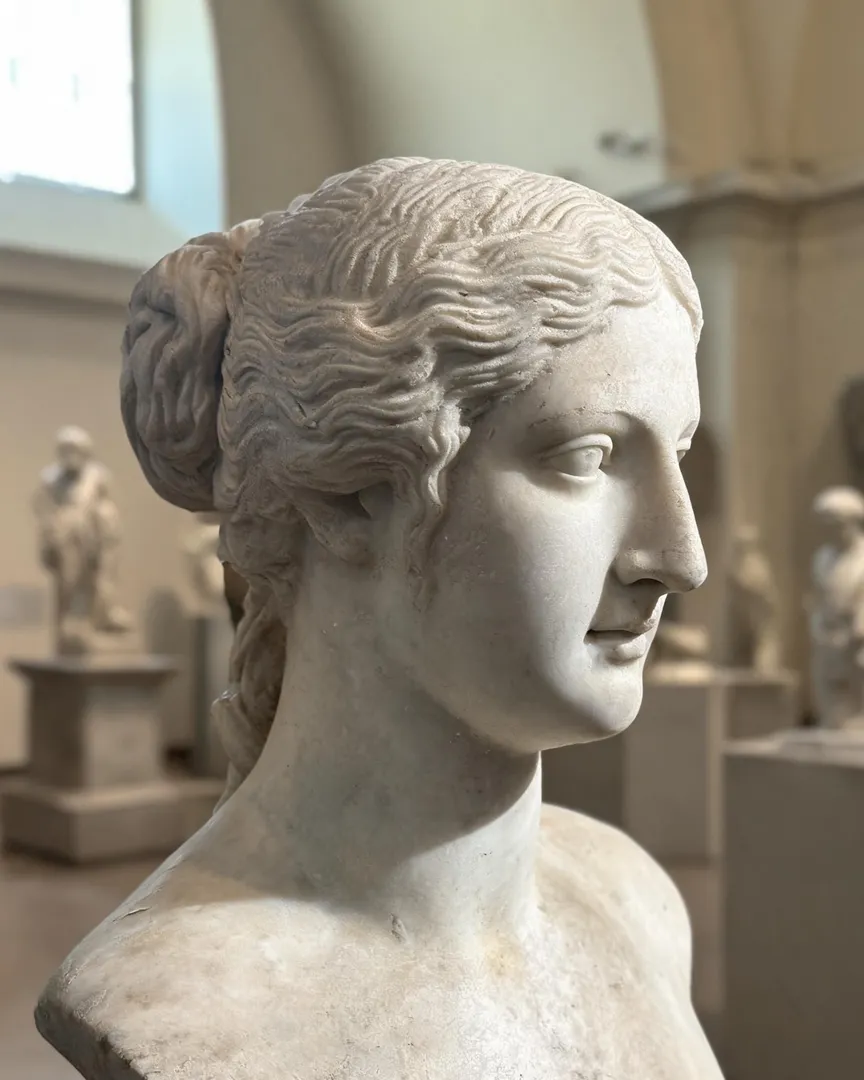
AI image
Look closely at the ear, where the sculpted cartilage unnaturally blends directly into strands of hair.
Made with Seedream 5.0 Lite.

Real photo
Notice the natural rust flaking on the bollards and authentic painted rivet bumps on the hull.
Photo by Henry Söderlund, CC BY 2.0, cropped.

AI image
Look at the shirt pattern to see abstract, incoherent shapes that lack defined structure.
Made with Seedream 5.0 Lite.
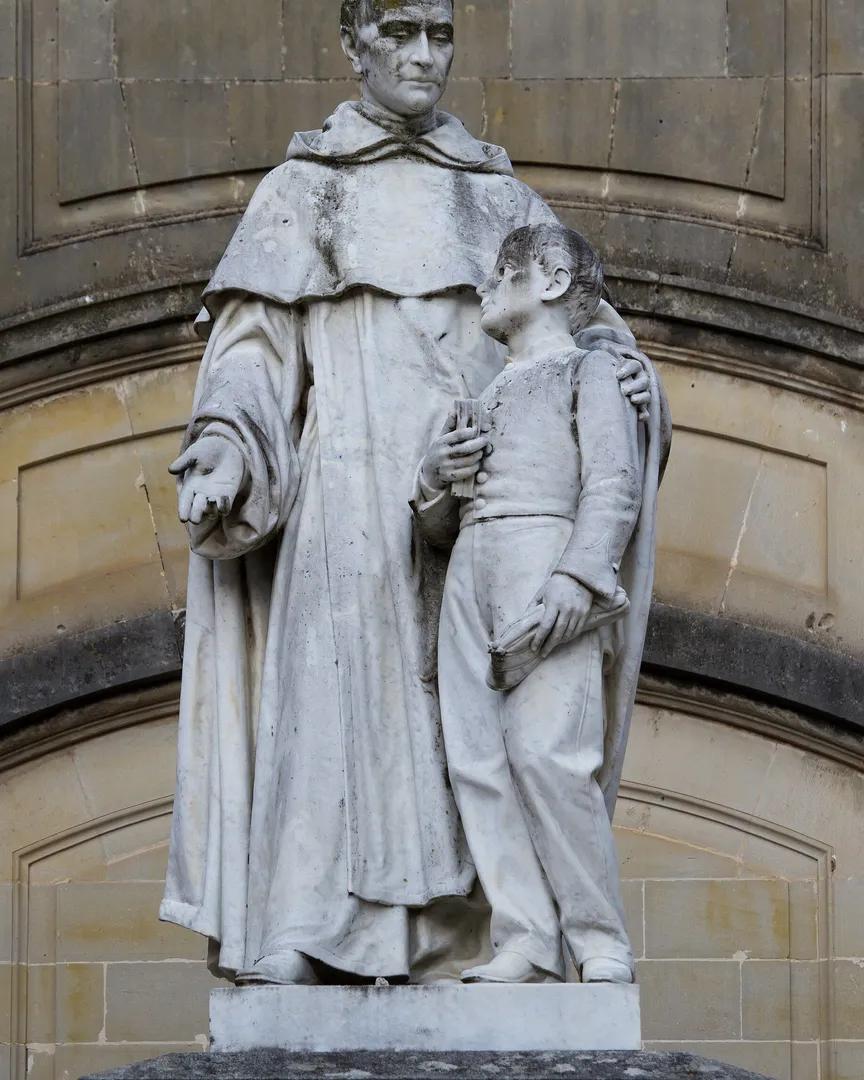
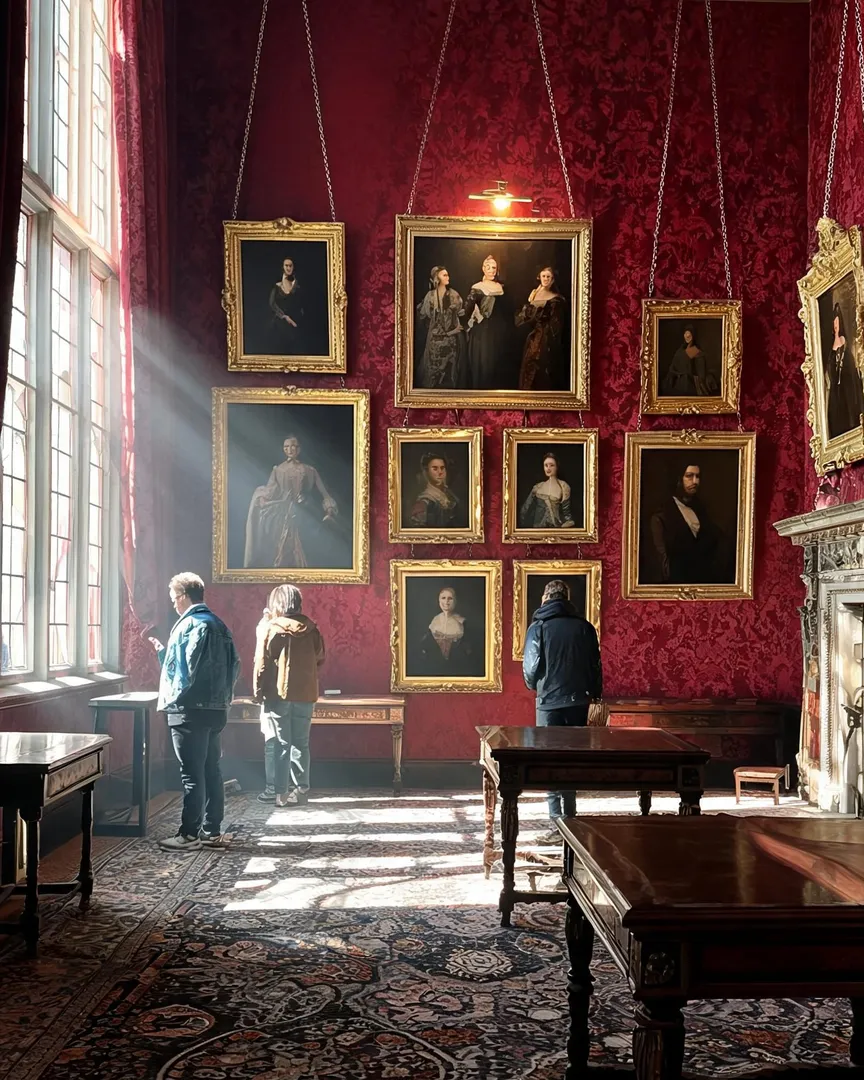
AI image
The faces within the framed paintings display distorted, garbled features when viewed closely.
Made with Seedream 5.0 Lite.
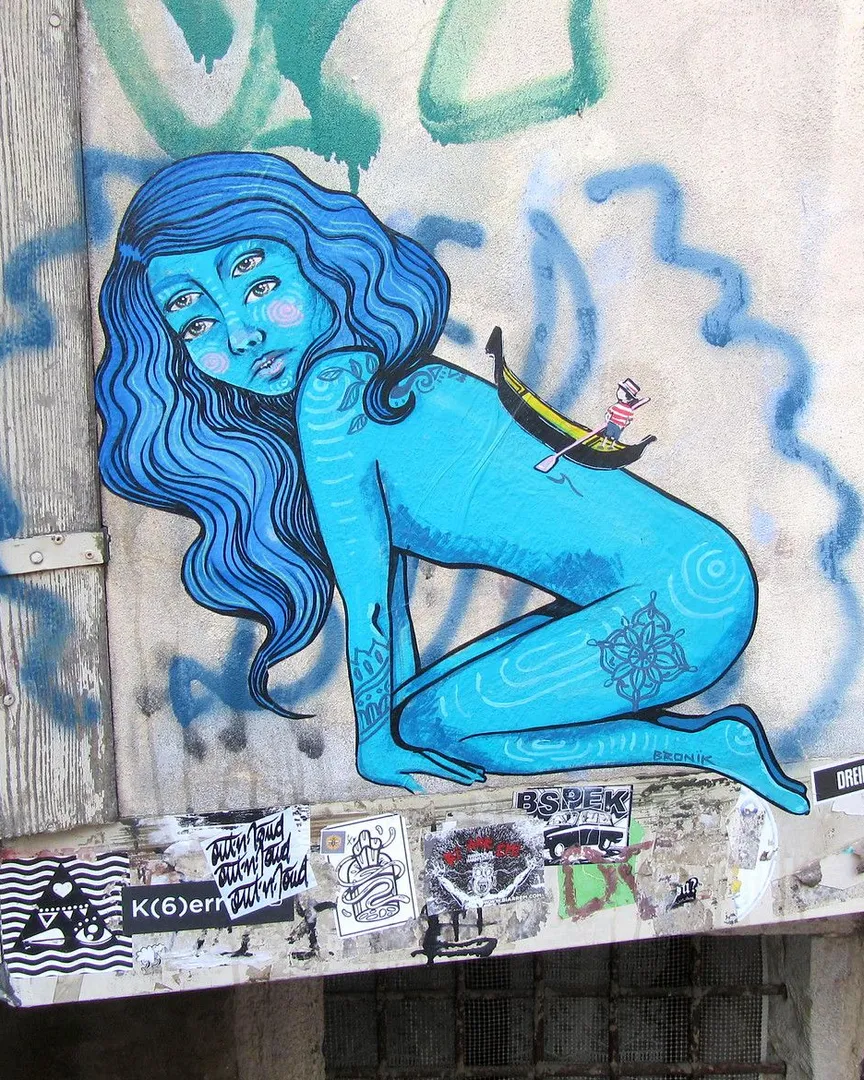
Real photo
Authentic physical details like peeling sticker edges and weathered wood textures around the mural confirm a real photo.
Photo by vittorio vida, PDM 1.0, cropped.

Test yourself
Put it into practice in the daily AI or Real game or the endless quiz.